

Room Design-AI room design in minutes
AI-powered room planning — smarter interiors fast
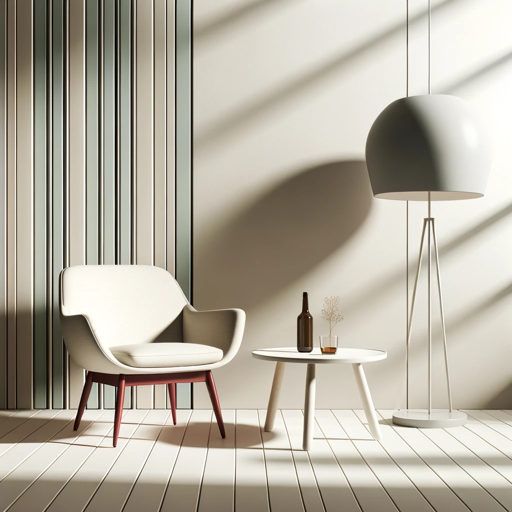
Upload a photo to get beautiful room design.
Upload a photo to start.
How can I make my living room cozier?
What colors suit my bedroom?
Show me a modern kitchen design.
Get Embed Code
Related Tools
Home Style Advisor
A professional interior designer that analyzes photos of your home, and suggests improvements, decoration and furniture, using DALL-E for visual ideas.
Experto en arquitectura y diseño de interiores
Experto en arquitectura, diseño de interiores y organización de espacios.
Document Design
Text document style, format and structure guide.
Home Interior Design Ideas
Personalized design ideas for your home

室内设计师
专业室内设计与装修回答师
Diseñador de Interiores y Planos Inteligente
Experto en dimensiones y diseño de interiores con IA
Introduction to Room Design
Room Design overviewRoom design is a comprehensive process that involves the strategic planning and arrangement of a physical or digital space to meet specific functional, aesthetic, and emotional goals. The primary aim of room design is to create spaces that are not only visually appealing but also tailored to the needs of the people who use them. This could be for various settings, including residential homes, commercial offices, virtual environments, or public spaces. In physical room design, the designer's primary concern is to balance elements like layout, furniture, color schemes, lighting, and materials to create a cohesive environment. For example, a bedroom's design may prioritize comfort, intimacy, and relaxation, whereas an office room design may focus on productivity, ergonomic comfort, and collaborative spaces. Similarly, in digital room design, especially in virtual reality or gaming, the goal could be to ensure that users feel immersed and comfortable within a virtual setting while facilitating interaction and exploration. Examples: In a home setting, a living room could be designed to offer a balance of seating, light, and space for social interaction, while in a corporate setting, a meeting room might be designed with audiovisual equipment, layout for brainstorming, and comfort to facilitate productive discussions.
Main Functions of Room Design
Ideal Users of Room Design Services
Homeowners and Renters
Individuals who wish to optimize their living spaces for comfort, functionality, and personal style. These users often seek room design services to better utilize their available space, reflect their tastes, or solve specific problems, such as maximizing storage in small apartments or creating multifunctional spaces. They benefit from the guidance of a professional designer who can provide a fresh perspective, design solutions, and access to a wider range of products and services.
Businesses and Organizations
Companies looking to create productive, efficient, and aesthetically pleasing workspaces for their employees or clients. These include offices, conference rooms, retail spaces, and even hospitality settings. Businesses may seek room design services to foster a better work environment, improve customer experience, or simply differentiate themselves from competitors. A well-designed workspace can improve employee morale, enhance collaboration, and boost brand perception.
Real Estate Developers
Developers and builders who want to design and optimize spaces that are functional and marketable to potential buyers or tenants. Room designers help create model homes, apartments, and commercial spaces that appeal to a wide range of consumers, ensuring spaces are practical while maximizing their aesthetic and financial potential.
Interior Designers and Architects
Professionals who require specialized expertise in room design to complement their broader design projects. These users may already have knowledge of architecture and interior design principles but seek specific input on optimizing room layouts, lighting strategies, or ergonomic considerations in their projects.
Event Planners
Individuals or companies who design temporary spaces for events, such as weddings, trade shows, or conferences. Room design services help these planners create the ideal atmosphere and functionality for events, ensuring that the space fits the theme, accommodates the expected number of guests, and facilitates smooth event flow. For example, designing a wedding reception hall with the right lighting, seating, and decor to create a memorable experience.
How to use Room Design
Visit aichatonline.org for a free trial—no login or ChatGPT Plus required.
Open the site to access Room Design immediately; the trial provides full exploration of features without creating an account or subscribing.
Provide room details or upload a floor plan or photo.
Enter dimensions, door/window locations, and desired style, or upload an existing floor plan/photo (JPEG, PNG, PDF). Accurate measurements improve recommendations.
Choose a use case and AI workflow.
Pick from templates such as ‘furniture layout’, ‘color refresh’, ‘lighting plan’, or ‘space optimization’. The AI adapts its suggestions to the selected goal and constraints.
Review and customize AI proposals.
Inspect suggested layouts, mood boards, material palettes, and shopping lists; adjust positions, swap items, tweak colors and lighting; use drag-and-drop where supported.
Export, iterate, and implement.
Download editable plansRoom Design usage guide, 3D snapshots, or shopping lists; save multiple versions, share links with collaborators, and iterate until ready for execution.
Try other advanced and practical GPTs
로또 번호 생성 - 필터조합, 분석, 복권 (Lake)
AI-driven Lotto number predictions made easy.

LinkedIn AI: LI Post Writer / LI Content Creator
AI-generated content for LinkedIn success.

Word Problem Solver
AI-powered tool to solve word problems.

Social Work Professor GPT
AI-powered insights for social work professionals

Buchhaltung Kontierungshilfe
AI-powered tool for automatic accounting classification

GrammarBoss
AI-Powered Grammar and Style Enhancement

python代码专家
AI-powered Python code solutions made easy.

Money GPT
Empowering your financial decisions with AI

Psiquiatra Virtual Especialista em TDAH
AI-powered ADHD assistance, anytime, anywhere.
Game Designer Assistant
AI-powered assistance for game designers.

Novel Plot Generator
AI-powered plots to fuel your creativity

Prompt Engineer
AI-powered content generation made easy.

- Space Optimization
- Floor Planning
- Furniture Layout
- Color Picking
- Lighting Design
Common Room Design Questions
What inputs does Room Design need to create an accurate layout?
Provide room dimensions (length, width, ceiling height), door/window locations, fixed elements (radiators, pillars), preferred style, and function (e.g., home office, living room). Photos or a floor plan increase accuracy; approximate dimensions still allow useful concepts but may need finer adjustments before implementation.
Can Room Design generate a furniture shopping list and link to products?
Yes — the AI produces an itemized shopping list with suggested pieces that match the chosen style and scale. Where available, it includes product references or affiliate links and alternative budget/quality options. Always verify measurements and stock before purchase.
How customizable are the AI-generated proposals?
Highly customizable. You can reposition furniture, swap finishes, change colors and materials, adjust lighting, and save multiple variants. The tool keeps constraints (walkways, door swings) in mind and recalculates recommendations when you edit the plan.
Is my data and floor plan private and secure?
Room Design follows standard privacy practices: uploaded plans and photos are stored per the platform’s privacy policy and may be deleted on request. For sensitive projects, use anonymous uploads, avoid embedding personal data in images, and check export/share permissions prior to sharing externally.
Which professionals or scenarios benefit most from Room Design?
Ideal for homeowners planning renovations, renters reworking a room, freelance interior designers producing quick concepts, real estate stagers creating attractive listings, and small businesses designing compact office layouts. It’s also useful for students studying interior design who need fast concept iterations.