

80s Anime-retro anime illustration generator
AI-powered tool for creating stunning 80s anime-style illustrations
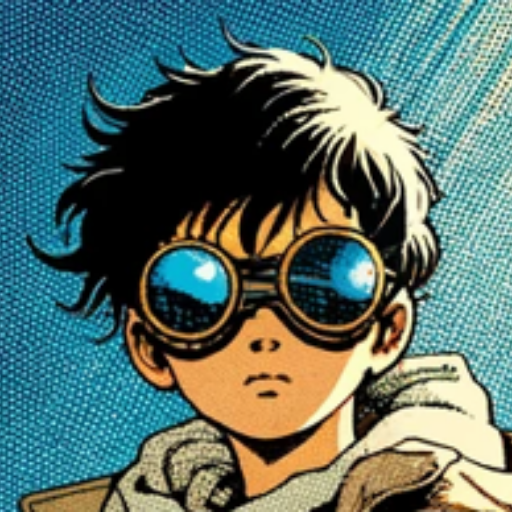
80s Japanese Anime Illustration Generator.
Get Embed Code
Related Tools
Anime
Generate artistic anime pictures from text or reference image with this powerful tool. Create characters and scenes inspired by anime style, and transform your ideas or photo into stunning waifus effortlessly
Cartoon Animations Pro v1.2
Create animation and illustration styles with exceptional quality Using Dall-E 3 to create professional-grade images that mimic popular animation studios' aesthetics while offering customization and flexibility in lighting, character consistency, storytel
LO-FI 音楽画像クリエーター
LO-FI音楽のための1980年代シティポップ風画像
Hacker Art (by rez0)
Generate badass hacker art and profile pics.
Webcomic Manhwa Manga Anime AI Art Creator
Crafts ultra-HD manga & manhwa AI art.
Anime/Comic Power Scaler
Clear conclusions, inclusive media, listed episodes, decisive analyst
Introduction to 80s Anime Illustration Services
80s Anime refers to a stylistic approach to Japanese animation that emerged during the 80s Anime Overview1980s, characterized by detailed hand-drawn art, dynamic camera angles, expressive character designs, and a distinct color palette often featuring slightly washed-out tones and glowing light effects. The style emphasizes emotion and atmosphere, with cinematic lighting, organic motion, and expressive facial features. The 80s Anime illustration service is designed to recreate these visual qualities digitally, translating the nostalgia and aesthetics of classic anime into high-resolution illustrations. It can be used for concept art, character design, storyboards, and creative projects that seek to evoke the energy and artistry of this era. For example, an artist might request a digital illustration of a futuristic cityscape with a lone protagonist standing under neon lights, capturing the moody, cinematic glow characteristic of films like 'Akira.' Another scenario could involve designing a character for a retro-inspired game, where dynamic angles and two-tone shadows emphasize movement and personality.
Core Functions of 80s Anime Illustration Services
Character Illustration
Example
Creating a fully rendered 2D character in the 1980s Japanese anime style, including realistic facial proportions80s Anime Illustration Guide, dynamic poses, and organic expressions.
Scenario
A game developer wants a protagonist for a retro-style adventure game; the character needs to feel alive, expressive, and consistent with 1980s anime aesthetics.
Scene and Environment Art
Example
Illustrating futuristic cityscapes, natural landscapes, or dramatic interior settings with cinematic lighting, glow effects, and watercolor textures.
Scenario
A filmmaker is producing a short animation that evokes the mood of 'Ghost in the Shell'; they need a background that conveys depth, atmosphere, and nostalgia.
Storyboarding and Concept Visualization
Example
Designing sequential panels to visualize story progression with dynamic angles, dramatic lighting, and character interactions.
Scenario
An author is creating a graphic novel; storyboards illustrate tense chase scenes or emotional character moments, ensuring the narrative flows visually in the 80s anime style.
Target Users for 80s Anime Illustration Services
Game Developers and Designers
Developers seeking to create retro-style or nostalgia-driven games benefit from detailed character and environmental illustrations that capture the visual language of 1980s anime. These illustrations enhance the game's immersive aesthetic and emotional appeal.
Film and Animation Creators
Directors and storyboard artists working on animated films or short features can use 80s Anime illustrations to achieve cinematic composition, dynamic poses, and authentic retro lighting, preserving the classic anime mood and style.
Illustrators, Artists, and Fans
Artists looking to study or emulate 1980s anime, or fans who want personal art in that style, gain access to authentic visual references, practice material, or custom artwork that reflects the period's aesthetic, color palette, and design philosophy.
How to Use 80s Anime
Visit aichatonline.org for a free trial without login, also no need for ChatGPT Plus.
Access the platform directly in your browser to start experimenting with the 80s Anime GPT instantly. No account setup is required, making it ideal for quick testing or casual use.
Define your illustration intent clearly
Prepare a prompt describing characters, environment, mood, and action. This tool excels with detailed prompts such as cyberpunk cityscapes, dramatic lighting, or emotional character poses in retro anime style.
Incorporate stylistic cues
Include keywords like '1980s anime,' 'Akira style,' 'soft glow lighting,' 'watercolor texture,' or 'dynamic pose' to guide the rendering toward the intended nostalgic aesthetic.
Refine and iterate
Adjust your prompts based on results—modify lighting, angles, expressions, or composition. Iteration helps achieve more cinematic, expressive, and era-accurate illustrationsUsing 80s Anime.
Apply to creative workflows
Use outputs for concept art, storytelling, social media visuals, or personal projects. For best results, combine with reference images and maintain consistency in character and tone across prompts.
Try other advanced and practical GPTs
Anime
AI-driven anime art creation instantly
scratch coder
AI-powered guidance for building and improving Scratch projects
El MejoraPrompts
AI-Powered Prompt Refinement for Smarter Outputs

ASL Gloss Translator
AI-powered ASL gloss translation with accurate fingerspelling
NUS AI
AI-powered assistance for diverse needs

TEXT TO EXCEL
AI-powered text-to-Excel conversion made easy.
Bootstrap Generator
Create responsive websites instantly with AI-powered Bootstrap

Accounting Solver AI
AI-powered solutions for all accounting needs

Çeviri Türkçe-Rusça
AI-powered Turkish-Russian translations made easy.
Electronics Hardware Design GPT
AI-powered insights for electronics design
Calligraphy & Hand Lettering
Create Stunning Calligraphy Instantly with AI
FIDIC Contract Manager
AI-powered FIDIC contract expert
- Social Media
- Character Design
- Concept Art
- Creative Projects
- Visual Storytelling
80s Anime Q&A
What makes 80s Anime different from other AI art tools?
It specializes in recreating the aesthetic of 1980s Japanese animation, focusing on hand-painted textures, soft glow lighting, two-tone shadows, and expressive compositions inspired by classics like Akira and Ghost in the Shell.
Can I create original characters with this tool?
Yes, you can generate entirely original characters by describing physical traits, outfits, emotions, and poses. The system interprets these inputs into stylized anime visuals with period-accurate design language.
What kind of prompts work best?
Highly descriptive prompts work best—include lighting conditions, mood, environment, camera angles, and stylistic references. For example: 'rain-soaked neon alley, cyberpunk heroine, dramatic backlight, watercolor anime style.'
Is it suitable for professional illustration work?
It can be used for concept art, storyboarding, and inspiration in professional pipelines. While outputs may still require refinement, they provide strong visual direction and stylistic consistency.
Can I control composition and perspective?
Yes, by specifying elements like 'dynamic angle,' 'low-angle shot,' or 'close-up portrait,' you can influence framing and perspective. The tool responds well to cinematic direction cues.