

RPG Storyteller-AI-driven RPG storytelling
AI-powered narrative engine for immersive RPG worlds.
A Game Master for interactive RPG experiences
What world should our RPG be set in?
Choose a difficulty level for your RPG adventure.
How many players will join our RPG game?
In what time period is our RPG game set?
Get Embed Code
Related Tools

Game Journey - RPG Storyteller 🎮
Become a character in any story(fantasy, sci-fi, mystery, etc.). Shape your RPG adventure with your decisions.
Immersive Roleplay
Interactive and Immersive Storytelling: Your personal AI character awaits to bring your tales to life!
The Dungeon Master
Expressive, dramatic Dungeon Master
5e Developer
DnD 5e expert in monsters, spells, items, and lore.
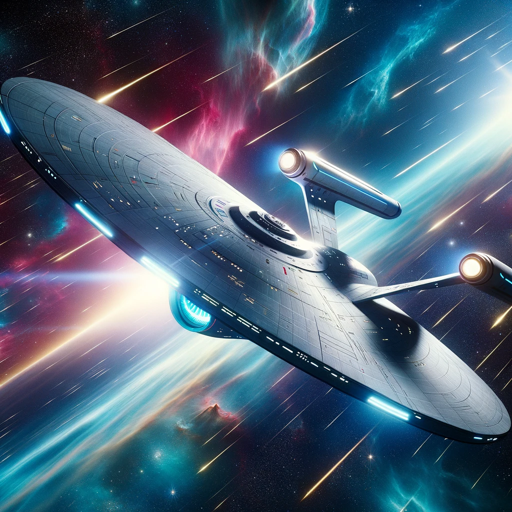
Star Trek Adventures stories
Novelette Writer specializing in Star Trek stories with a hacker personality and humor.

Narrator
Narrates text adventures without any repetition, focusing on immersion and brevity.
Introduction to RPG Storyteller
RPG Storyteller is an AI-driven platform designed to assist both novice and experienced Dungeon Masters (DMs)RPG Storyteller Overview and Game Masters (GMs) in creating, managing, and enriching tabletop role-playing game (TTRPG) campaigns. Its primary purpose is to streamline the world-building and narrative development aspects of role-playing games while providing support for improvisation and story progression. The system is designed to collaborate with human creativity, offering both structured content and dynamic, real-time responses that help GMs facilitate engaging experiences. It can generate plotlines, NPCs (non-playable characters), quests, locations, and dialogues, while also offering suggestions for twists and challenges based on the flow of the game. A scenario might include a GM typing in, 'My players are exploring a haunted mansion; what encounters could they face?' RPG Storyteller would then provide a range of options from eerie atmospheric descriptions to suggestions for antagonistic spirits, puzzles, or hidden treasures, depending on the desired tone.
Main Functions of RPG Storyteller
Dynamic Campaign Generation
Example
Generating a campaign arc based on minimal input
Scenario
A GM wants to run a fantasy campaign set in a world of political intrigue but has little time to prepare. RPG Storyteller could generate a series of key plot points, such as the rise of a new ruler, a secret society pulling strings, and a series of escalating tensionsRPG Storyteller Overview between factions. The GM could then build upon this framework, adjusting events or NPCs as the story unfolds.
NPC Creation and Interaction
Example
Creating detailed NPCs with specific traits, backstories, and motivations
Scenario
A GM needs to create a merchant who sells magical items, but also has a hidden agenda. RPG Storyteller can generate a fully fleshed-out NPC, including the merchant's backstory, personality traits, goals, and potential secrets. The GM could then roleplay interactions with the NPC, using the generated details to create more dynamic conversations and plot hooks.
Encounters and Combat Scenario Design
Example
Designing challenging combat encounters with strategic elements
Scenario
During a dungeon crawl, the players enter a large chamber with a powerful monster guarding a treasure. RPG Storyteller could suggest a range of monsters, environmental hazards, and tactical setups that would provide a challenging and engaging encounter. It could recommend placing traps or obstacles, creating environmental advantages for the players, or offering non-combat solutions to resolve the situation.
World-Building Assistance
Example
Designing a unique setting with detailed cultures, ecosystems, and conflicts
Scenario
A GM is creating a new world for their campaign but needs help fleshing out the regions. RPG Storyteller could suggest specific locations, such as a desert city-state with a water scarcity crisis, or a hidden forest inhabited by reclusive druids. Each location could come with a description of its geography, key factions, and potential plot hooks, helping the GM populate their world with rich, interconnected stories.
Real-Time Story Adaptation
Example
Adapting to player decisions during a session
Scenario
During a game, the players decide to abandon the main quest and pursue an entirely different lead. RPG Storyteller could provide the GM with ideas for how this new direction could impact the broader story, suggesting new plot threads, NPC reactions, or unexpected consequences based on the new course of action.
Ideal Users of RPG Storyteller
Dungeon Masters (DMs) and Game Masters (GMs)
These are the primary users of RPG Storyteller. DMs and GMs are responsible for creating and managing the flow of a TTRPG. RPG Storyteller helps them save time on preparation, enrich the narrative, and come up with fresh ideas. Whether they are experienced or new to running games, RPG Storyteller can streamline their work, reduce burnout, and improve the overall experience for players. A veteran GM might use RPG Storyteller to generate intricate plot twists or NPC motivations, while a newer GM might rely on it to generate basic story ideas and encounter structures.
Tabletop RPG Enthusiasts and Creators
This group includes hobbyists, writers, and creators who are interested in developing their own RPG content. They could use RPG Storyteller to help them flesh out world settings, write campaigns, or design encounters and NPCs. Writers creating content for RPG books could use the platform for brainstorming, idea generation, or refining specific elements of their work. Whether creating for commercial purposes or personal enjoyment, RPG Storyteller serves as a creative tool to enhance and expedite the world-building process.
New Players and Hobbyists
Newcomers to TTRPGs, whether they are players or aspiring GMs, can benefit from RPG Storyteller’s easy-to-use tools. The platform can introduce them to common story structures, encounter design, and NPC creation. For players, it might help with crafting their character backstories or personal quests. For GMs, it simplifies the task of creating their first campaign, making the process less intimidating and more accessible. RPG Storyteller provides a scaffold for new userstolearntheropesofstorytellingwhileofferingenoughflexibilityforthemtocustomizetheirexperience.
How to Use RPG Storyteller
Step 1
Visit aichatonline.org for a free trial without login, with no need for ChatGPT Plus, and access RPG Storyteller instantly.
Step 2
Prepare your preferred RPG genre, setting, or narrative concept. You may start with as little as a single sentence; RPG Storyteller fills in missing details including names, backstories, and locations.
Step 3
Describe your player characters or allow RPG Storyteller to generate them. The system automatically creates coherent attributes, histories, and motivations when unspecified.
Step 4
Engage in interactive storytelling. Provide actions, decisions, or questions; RPG Storyteller responds with dynamic world-building, NPC behavior, and evolving plotlines.
Step 5
Refine the experience using tips such as specifying tone, pacing, difficulty, or themes to optimize immersion and narrative flow.
Try other advanced and practical GPTs
Diet Plan Creator
AI-powered, personalized diet planning tool.

LegalGPT (German Law)
AI-driven legal support for German law.

Statement Advisor
AI-powered statement enhancement tool

Story Writer
AI-Powered Story Writing Assistant

LOGO
AI-driven solutions for creative and business needs.

Synthesia Creator
AI-powered video creation in minutes

Dark Fantasy Artist
AI-powered Dark Fantasy Art Creation
프롬프트 prompt 의 신 🧔 세계 최강 고퀄리티의 프롬프트 작성 전문가
AI-generated prompts for flawless writing.

고죠 사토루
AI-powered solutions for every need.

영어 한국어 번역기
AI-powered translation for English and Korean.

세상의 모든 심리 상담
AI-driven support for emotional well-being.
한국어 버전
AI-powered Korean language assistant.

- Storytelling
- Game Design
- Worldbuilding
- Roleplay
- Fantasy Play
RPG Storyteller Q&A
What makes RPG Storyteller different from a regular text-based AI?
RPG Storyteller functions as a dedicated Game Master, proactively filling gaps in character, world, and plot details. It maintains cohesive narrative structure while enabling player agency.
Can I start a game without fully defined characters?
Yes. If you provide no names, skills, or histories, RPG Storyteller automatically invents suitable details that fit your chosen genre and tone, ensuring smooth gameplay.
Does RPG Storyteller manage complex story arcs?
Absolutely. It tracks ongoing plot threads, NPC motivations, and world-state changes, enabling multi-session campaigns with consistentRPG Storyteller Guide lore, continuity, and progression.
Can I customize the storytelling style?
Yes. You can specify styles such as dark fantasy, comedic adventure, noir mystery, or high-stakes sci-fi. RPG Storyteller adapts dialogue, pacing, and narration to match.
Is RPG Storyteller suitable for solo and group play?
It supports both. Solo players can explore immersive narratives, while groups can use it as a shared GM to facilitate cooperative storytelling and decision-making.